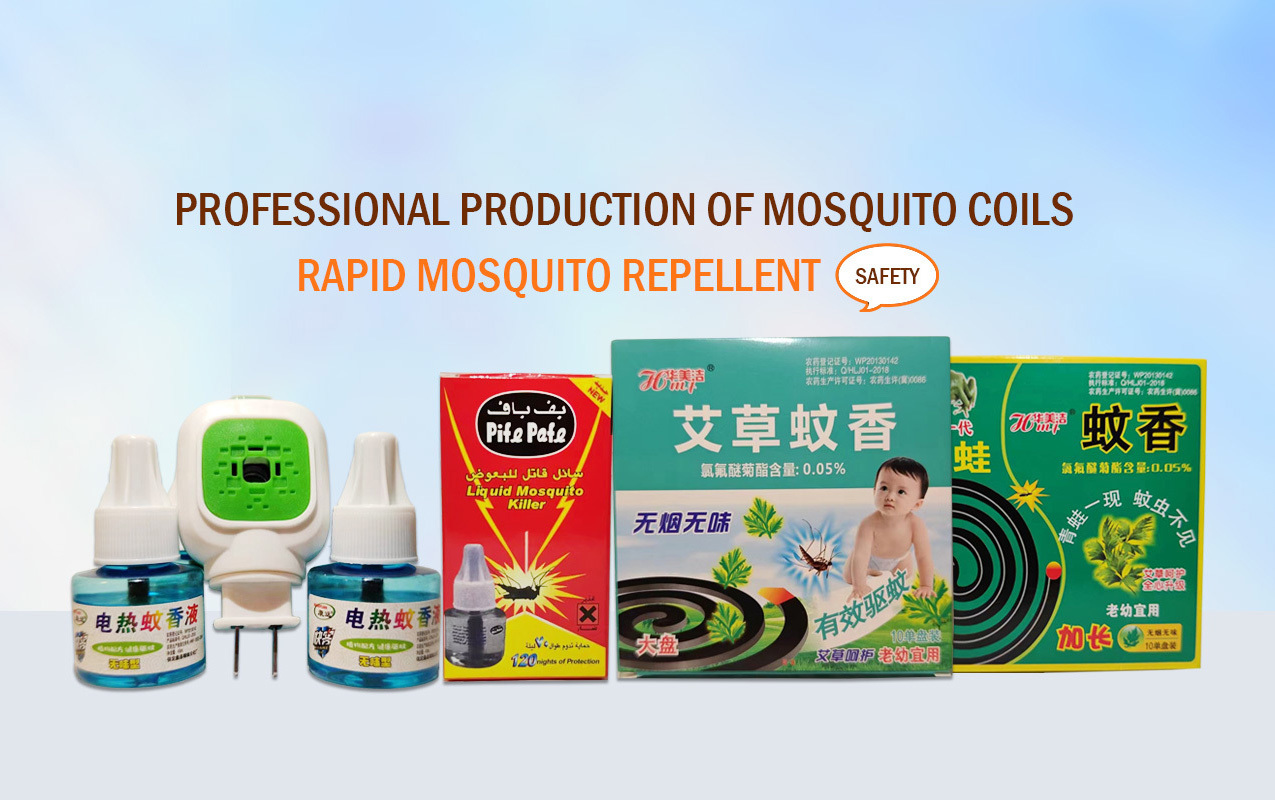

A Comprehensive Guide to Fogging Insecticides: Essential Insights for Effective Pest Management
2026-06-29

A Comprehensive Guide to Fogging Insecticides: Essential Insights for Effective Pest Management
In the realm of pest control, fogging insecticides have become a go-to solution for managing a variety of insect infestations. These specialized products are designed to disperse insecticides in a mist form, creating a fog that permeates the air and reaches areas that conventional sprays may miss. In this article, we will explore the multiple facets of fogging insecticides, including their types, applications, safety measures, and effectiveness, ensuring you have all the information needed for effective pest management.
Table of Contents
- 1. Introduction to Fogging Insecticides
- 2. Types of Fogging Insecticides
- 3. Applications of Fogging Insecticides in Agriculture
- 4. Efficacy of Fogging Insecticides: How They Work
- 5. Safety Precautions When Using Fogging Insecticides
- 6. Environmental Impact of Fogging Insecticides
- 7. Best Practices for Effective Fogging
- 8. FAQs About Fogging Insecticides
- 9. Conclusion
1. Introduction to Fogging Insecticides
Fogging insecticides are specifically formulated to deliver targeted pest control solutions in a highly efficient manner. Unlike traditional insecticides, fogging products are designed to be atomized into tiny droplets, which can effectively cover larger areas and reach difficult-to-access locations. This article aims to provide an in-depth understanding of fogging insecticides, their significance in pest management, and why they are essential tools for farmers and agricultural professionals.
2. Types of Fogging Insecticides
2.1 Thermal Foggers
Thermal foggers use heat to vaporize the insecticide solution, creating a fog that can disperse over large areas. They are particularly effective in outdoor environments and are commonly used in agricultural settings.
2.2 ULV (Ultra-Low Volume) Foggers
ULV fogging insecticides operate at lower volumes, allowing for the application of a smaller amount of insecticide while still achieving effective coverage. This method is popular in urban pest control and agricultural applications alike.
2.3 Cold Foggers
Cold foggers create a fog without the use of heat, making them ideal for sensitive environments where heat could damage plants or structures. These foggers produce finer droplets, enhancing penetration into insect habitats.
3. Applications of Fogging Insecticides in Agriculture
Fogging insecticides serve various purposes in agricultural pest control:
3.1 Crop Protection
Farmers often use fogging insecticides to protect crops from harmful pests such as aphids, caterpillars, and beetles. By providing an effective barrier against these pests, fogging can help improve crop yields.
3.2 Disease Prevention
Insects are often vectors for diseases that can devastate crops. Fogging insecticides can significantly reduce the population of these insect vectors, thereby minimizing the risk of disease transmission.
3.3 Vector Control in Public Health
In areas where insect-borne diseases such as malaria and dengue fever are prevalent, fogging insecticides are employed not only in agriculture but also in public health initiatives to control mosquito populations.
4. Efficacy of Fogging Insecticides: How They Work
The effectiveness of fogging insecticides lies in their ability to deliver precise doses to target pests quickly and efficiently. The following factors contribute to their efficacy:
4.1 Fast Action
Fogging insecticides are designed to act rapidly, often paralyzing or killing pests on contact. This quick action is essential for managing outbreaks effectively.
4.2 Residual Effects
Many fogging insecticides leave a residual effect that remains active for a period after application, providing ongoing protection against reinfestation.
4.3 Targeted Delivery
The ability to reach inaccessible areas, such as beneath leaves and in crevices, ensures that pests hiding from traditional sprays can still be effectively targeted.
5. Safety Precautions When Using Fogging Insecticides
While fogging insecticides are effective, safety precautions are paramount to protect both applicators and the environment. Key safety measures include:
5.1 Personal Protective Equipment (PPE)
Applicators should always wear appropriate PPE, including gloves, masks, and goggles, to minimize exposure to chemicals.
5.2 Proper Training
Only trained personnel should handle fogging equipment and insecticides. Adequate training ensures that products are used safely and effectively.
5.3 Environmental Considerations
Avoid fogging on windy days to prevent drift and ensure that applications are made according to manufacturer guidelines to minimize environmental impact.
6. Environmental Impact of Fogging Insecticides
The potential environmental impact of using fogging insecticides cannot be overlooked. Considerations include:
6.1 Non-target Species
Fogging insecticides can affect non-target species, including beneficial insects and pollinators. Selecting products with minimal toxicity to these species can mitigate this risk.
6.2 Water Contamination
Runoff from treated areas can lead to contamination of local waterways. Careful application techniques and adherence to buffer zones can help reduce this risk.
6.3 Resistance Management
Over-reliance on fogging insecticides can lead to pest resistance. Implementing integrated pest management (IPM) strategies can help maintain the effectiveness of insecticides.
7. Best Practices for Effective Fogging
To maximize the benefits of fogging insecticides, consider the following best practices:
7.1 Timing of Application
Applying fogging insecticides during cooler parts of the day, such as early morning or late afternoon, can enhance effectiveness and reduce evaporation.
7.2 Calibration of Equipment
Regularly calibrating fogging equipment ensures the correct dosage is applied, improving efficacy and safety.
7.3 Monitoring and Evaluation
Post-application monitoring for pest populations will help assess the effectiveness of the treatment and guide future pest management decisions.
8. FAQs About Fogging Insecticides
8.1 What are fogging insecticides?
Fogging insecticides are specialized chemicals designed to be dispersed as a fine mist or fog to effectively control insect populations.
8.2 How do fogging insecticides work?
They work by atomizing the insecticide into tiny droplets, which can penetrate and settle into areas where pests reside, leading to quick knockdown and control.
8.3 Are fogging insecticides safe for humans and pets?
When used according to label directions and with proper safety precautions, fogging insecticides can be safe. However, it is essential to keep people and pets away during application.
8.4 How often should fogging insecticides be applied?
The frequency of application depends on the level of pest pressure and the specific product used. Regular monitoring of pest populations is vital to determine the need for reapplication.
8.5 What are the benefits of using fogging insecticides over traditional methods?
Fogging insecticides offer quicker coverage, the ability to reach hard-to-access areas, and often provide residual control against pests.
9. Conclusion
Fogging insecticides represent a powerful tool in the fight against pests, particularly in agricultural and public health contexts. Understanding the various types of fogging insecticides, their applications, effectiveness, safety measures, and environmental impacts allows users to make informed decisions that enhance pest management strategies. By adhering to best practices and safety guidelines, fogging insecticides can be utilized effectively while minimizing potential risks. Equip yourself with this knowledge and ensure successful pest control through informed use of fogging insecticides.
Recommend News
Contact Us
Leave Us A Message