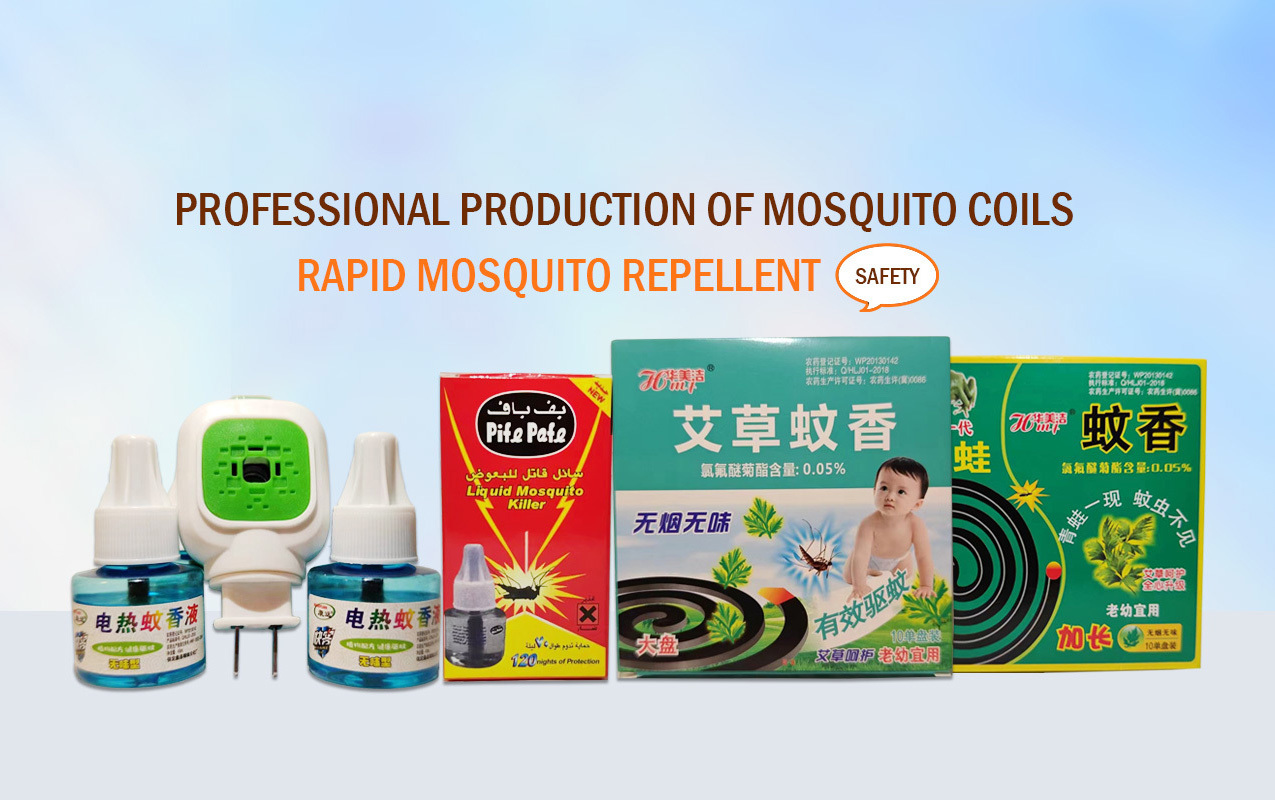

Why Odorless Insecticides Are a Game Changer in Pest Management
2026-03-10

Why Odorless Insecticides Are a Game Changer in Pest Management
Introduction to Odorless Insecticides
The agricultural industry is constantly evolving, with new methodologies and products emerging to address the persistent challenge of pest management. One of the most significant advancements in this field is the development of **odorless insecticides**. Unlike traditional insecticides that often come with strong, pungent smells, odorless formulations promise effective pest control without the unpleasant odors that can deter both users and consumers. Understanding why these products have gained popularity is essential for anyone involved in agriculture and pest management.
The Importance of Pest Management in Agriculture
Pest management is a critical component of modern agriculture, affecting crop yield, quality, and sustainability. The **impact of pests on agricultural productivity** can be staggering; they can cause substantial economic losses if not managed effectively. Farmers and agricultural professionals must adopt effective pest control strategies to safeguard their crops against invasive species. Odorless insecticides have emerged as a viable solution, combining efficacy with user-friendly characteristics.
What Are Odorless Insecticides?
Odorless insecticides are formulations designed to eliminate or repel pests without producing any noticeable scent. These insecticides utilize advanced chemical engineering techniques to develop active ingredients that are effective in small dosages, leading to a lower risk of odor annoyance. This characteristic makes them particularly appealing for both indoor and outdoor applications.
Key Benefits of Odorless Insecticides
The use of odorless insecticides presents several advantages, which can be categorized into environmental, health-related, and efficacy-related benefits:
1. Improved User Experience
One of the primary benefits of odorless insecticides is the improved user experience. Farmers and agricultural workers can apply these products without worrying about lingering odors. This feature is particularly important on farms where workers spend extended periods, as it contributes to a more pleasant working environment.
2. Enhanced Crop Quality
Odorless formulations do not leave residual scents that may affect the taste or quality of the crops. Consumers are increasingly concerned about the quality of the food they consume, and the absence of any chemical odor post-application can enhance consumer confidence and marketability.
3. Reduced Environmental Impact
Many odorless insecticides are formulated to be less harmful to beneficial insects and other wildlife. This selective action minimizes the negative impact on the environment, promoting biodiversity and ecological balance. Farmers who embrace these products can cultivate sustainable practices in their pest management strategies.
4. Safety for Non-Target Organisms
Odorless insecticides often have a more targeted approach, affecting only the intended pests while leaving non-target organisms unscathed. This specificity reduces the risk of harming beneficial insects, such as pollinators, which are crucial for agricultural productivity.
How Do Odorless Insecticides Work?
Understanding the mechanism of action for odorless insecticides helps clarify why they are effective in pest management. These products typically contain a mix of active ingredients designed to disrupt the normal functioning of pest organisms.
Active Ingredients in Odorless Insecticides
The formulations of odorless insecticides may include various active ingredients that disrupt pest physiology. Common categories include:
1. Insect Growth Regulators (IGRs)
IGRs mimic hormones that insects need to grow and develop. They effectively prevent pests from maturing, ultimately disrupting their life cycle.
2. Systemic Insecticides
These chemicals are absorbed by the plant and move through its tissues. When pests feed on the plant, they inadvertently ingest the insecticide, leading to their demise.
3. Contact Insecticides
These work by direct contact with the pest and can be applied as a spray. Once the pest comes into contact with the formulation, it experiences physiological effects that lead to paralysis or death.
Applications of Odorless Insecticides in Agriculture
Odorless insecticides can be used in various agricultural settings, including:
Row Crops
In large-scale farming operations, odorless insecticides can effectively manage pests without compromising the quality of the crops. They are particularly beneficial in **corn**, **soybeans**, and **wheat** farming, where pest outbreaks can lead to significant yield losses.
Fruit and Vegetable Production
Odorless formulations are ideal for **fruit and vegetable growers** who prioritize both pest management and crop quality. Ensuring that produce is free from chemical residues and odors can greatly enhance marketability.
Greenhouses and Indoor Farming
In closed environments like greenhouses, odorless insecticides create a safer atmosphere for workers while effectively controlling pests. The lack of odor also prevents potential sensory irritation for consumers visiting these spaces.
Challenges in Implementing Odorless Insecticides
Despite the many benefits of odorless insecticides, several challenges remain in their implementation.
Cost Considerations
Odorless formulations can sometimes come at a premium price compared to traditional insecticides. Farmers must weigh the cost against potential benefits, including increased crop quality and reduced health risks.
Resistance Management
Pests can develop resistance to specific insecticides over time, including odorless formulations. Integrated pest management (IPM) strategies that combine various control methods are essential to mitigate this risk.
Odorless Insecticides vs. Traditional Insecticides
The comparison between odorless and traditional insecticides highlights key differences that can influence a farmer's decision-making process.
Efficacy
Both types of insecticides can be effective; however, odorless formulations often incorporate advanced chemistry that may provide superior results in specific scenarios.
Environmental Impact
Traditional insecticides often carry the risk of broader environmental harm, whereas odorless insecticides tend to be more targeted, significantly reducing the risk to non-target organisms.
Health Implications
Workers applying traditional insecticides may face health risks due to exposure to strong odors and potentially harmful chemicals. Odorless insecticides offer a safer alternative, minimizing these health risks.
Future Trends in Pest Management
As the agricultural sector continues to evolve, understanding future trends in pest management, particularly regarding odorless insecticides, is crucial.
Integration with Technology
The integration of **precision agriculture** technologies will likely play a role in the future use of odorless insecticides. Using data-driven approaches can optimize application timing and dosage, enhancing effectiveness and minimizing waste.
Regulatory Developments
Increasing regulations surrounding chemical usage in agriculture will likely drive the adoption of safer, more effective pest management solutions. Odorless insecticides are well-positioned to meet these regulatory standards while also addressing consumer concerns.
Conclusion
Odorless insecticides represent a significant advancement in pest management, offering a myriad of benefits for farmers, consumers, and the environment. As agricultural practices continue to evolve, adopting these innovative solutions will be essential for achieving sustainable and effective pest control. By prioritizing crop quality, worker safety, and environmental health, odorless insecticides are poised to transform the landscape of agricultural pest management.
FAQs
1. Are odorless insecticides safe for human use?
Yes, odorless insecticides are designed to be safer for human application compared to traditional insecticides, which often emit strong odors and can pose health risks.
2. How effective are odorless insecticides in controlling pests?
Odorless insecticides can be highly effective in controlling various pests, depending on their formulation and the specific pest being targeted.
3. Can I use odorless insecticides in my home garden?
Absolutely! Many odorless insecticides are suitable for home gardens, offering a safe and effective way to manage pests without harsh odors.
4. Are there any drawbacks to using odorless insecticides?
While they offer many benefits, odorless insecticides can sometimes be more expensive than traditional options and may require specific application techniques.
5. How do I know which odorless insecticide is right for my crops?
Consulting with agricultural extension services or pest management professionals can help you determine the best odorless insecticide for your specific crop and pest situation.
Recommend News
Contact Us
Leave Us A Message